How To Close A Credit Card And Not Stay In Debt
Closing a credit card sounds simple: you call the bank, request cancellation, and move on. But the process is rarely that straightforward. If you shut down a card without handling balances, fees, or timing correctly, you can easily end up in more debt than before. Interest can still accumulate, annual fees may apply, and your credit score can take a hit. For many people, closing a card becomes a financial misstep instead of a fresh start. Learning the right way to do it makes the difference between clean closure and ongoing frustration.
Why People Choose To Close Cards
People close credit cards for different reasons. Sometimes it’s to cut back on overspending. Other times, the motivation comes from high fees or poor customer service. Some borrowers close cards when they’ve paid off balances and want fewer open accounts to track. Whatever the reason, the decision should be strategic. Credit cards are tied to credit histories, and even inactive accounts can impact overall credit health. Closing a card casually without understanding these links can create unintended consequences. Before acting, it’s worth considering both the financial and credit reporting aspects of the decision.
The Emotional Side Of Closure
For some, closing a card is about regaining control. They no longer want the temptation of available credit or the stress of monthly statements. While the emotional relief is real, the financial steps cannot be skipped if the goal is to avoid lingering debt.
Check Balances First
The most important step before closing a card is ensuring the balance is zero. Many borrowers assume that once they request closure, all charges stop. But if interest is still accumulating on a balance, the account will remain active. Even a small unpaid amount can grow into a problem over time. To be safe, wait until a statement cycle closes showing a zero balance. Some experts even suggest making an extra small payment to cover residual interest. Without this confirmation, closing a card is like locking the front door while leaving the back door wide open.
Residual Interest Risk
Credit card interest doesn’t stop the day you pay down your balance. It often continues to accrue until the next cycle. Closing a card without addressing this means you could receive a “surprise” bill weeks later. Verifying with the issuer eliminates this risk.
Handle Rewards And Benefits
Many people forget about points, miles, or cashback tied to their cards. Once the account is closed, those rewards may disappear. If you’ve accumulated value, redeem it before closing. Travel rewards programs may transfer to partners, but only if done in advance. Closing a card without checking benefits is like leaving money on the table. The same applies to perks like free insurance or extended warranties. If purchases are still covered by a card you close, claims could become more complicated. Thinking ahead ensures you don’t lose value along with the account.
Hidden Costs In Benefits
Rewards sometimes feel like free extras, but they’re part of the overall cost structure. Ignoring them when closing a card means you lose a slice of the value you’ve been paying for all along.
Check For Pending Charges
Subscriptions, recurring payments, or delayed transactions may still post to your account after you request closure. Gym memberships, streaming services, or annual software licenses often create problems. If these payments bounce due to a closed account, you risk late fees from the merchant and penalty fees from the bank. Before closure, review recent statements carefully and move all recurring payments to another account. Leaving this unchecked is one of the most common mistakes cardholders make. It creates unnecessary debt that lingers long after you thought you were finished with the card.
The Subscription Trap
Automatic payments make life easier but also create hidden links to your credit card. If even one payment slips through after closure, you could be charged penalties and dragged back into debt.
Consider The Credit Score Impact
Closing a card doesn’t erase its history. Your payment record remains on your credit file for years, but your available credit shrinks. This changes your credit utilization ratio—the percentage of credit you use relative to your total limit. If you have balances on other cards, closing one account may increase utilization, lowering your credit score. For this reason, closing your oldest card or a card with a high limit can hurt more than expected. Before acting, weigh whether closure aligns with your long-term credit goals. Sometimes keeping a card open and unused is better than shutting it down immediately.
When Closure Makes Sense Anyway
If fees outweigh benefits or the temptation to overspend is too high, closure may still be worth the hit. The key is understanding how to mitigate the damage—such as paying down other balances to lower utilization before closing.
Contact The Issuer Directly
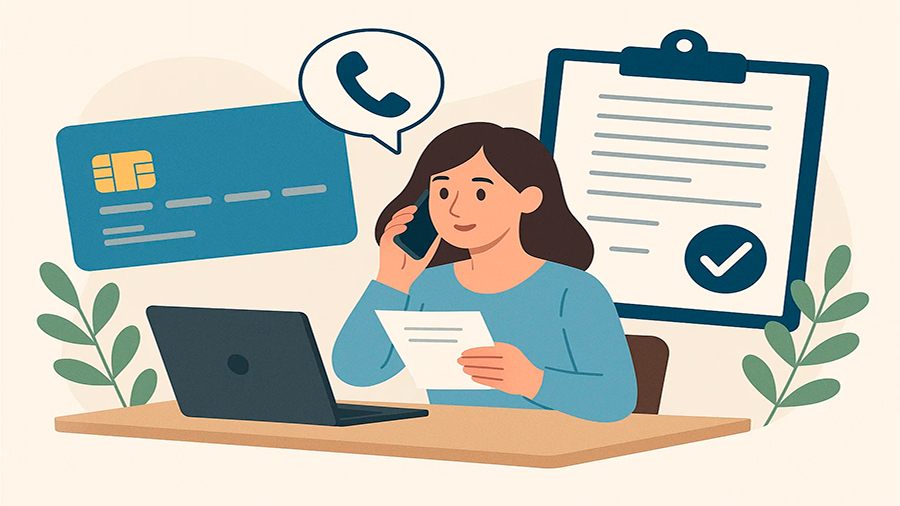
Once balances, rewards, and charges are settled, closure requires direct communication. Call the bank or card issuer, request closure, and ask for written confirmation. Relying on assumptions is risky. Even accounts believed to be closed sometimes remain open in “inactive” status, continuing to accumulate fees. Getting confirmation in writing prevents disputes later. Keep that record in your files along with your final zero-balance statement. In the digital era, it may seem old-fashioned, but this step can save hours of frustration if errors appear on your credit report later.
Why Written Proof Matters
Banks handle thousands of requests daily. Without documentation, your request may slip through the cracks. Proof ensures you can dispute any charges that appear later with confidence.

Follow Up On Credit Reports
Closing a card doesn’t mean the account disappears from your record. It usually stays listed for years, marked as closed by the consumer. Reviewing your credit report after a few months ensures the closure was reported accurately. Errors are common—sometimes accounts remain listed as open, or balances are misreported. These inaccuracies can affect credit scores and borrowing ability. Taking the time to review and dispute errors ensures your closure process is complete. Ignoring this step is another way debt can creep back into the picture, through miscommunication between banks and credit bureaus.
Monitoring Over Time
Credit reports update slowly. Even after closure, keep checking for at least six months to ensure no new charges appear and no reporting errors remain. Patience here prevents problems later.
Alternatives To Full Closure
Sometimes closing a card outright is not the only option. Downgrading to a no-fee version allows you to keep the account open without ongoing costs. This preserves credit history and utilization benefits while eliminating annual fees. Another alternative is reducing credit limits. If overspending is the concern, lowering the available limit can curb temptation without sacrificing account history. These middle paths show that closure is not always black or white. Considering alternatives may protect your credit standing while still achieving the financial peace of mind you’re seeking.
Balancing Control And Credit Health
Managing cards is not only about cutting ties—it’s about aligning with long-term goals. Sometimes modification achieves more than outright closure, giving you control without unintended consequences.
Practical Tips For A Smooth Closure
The process is not complicated once you understand the steps. Pay off the balance, check for residual interest, move recurring charges, redeem rewards, and confirm closure in writing. Keep records and monitor credit reports afterward. These measures ensure closure is clean. Too often, people rush into cancellation out of frustration and skip these safeguards. That impatience costs more in the long run. Treat the process with the same seriousness as applying for a new credit line, because the consequences are just as lasting.
The Difference Between Quick And Smart
A quick closure might feel satisfying in the moment, but a smart closure pays off over years. Debt avoided, fees eliminated, and credit scores preserved all depend on careful steps rather than shortcuts.
The Conclusion
Closing a credit card doesn’t have to mean closing yourself into new debt. Done casually, it leaves gaps—unpaid balances, missed subscriptions, or credit score damage. Done carefully, it marks a fresh chapter in financial management. The steps are straightforward: pay in full, manage rewards, confirm closure, and monitor reports. What matters most is patience and attention to detail. Closing a card the right way turns a stressful decision into a positive step, giving you more control and fewer financial burdens to worry about in the future.