Refinancing Customers as a Symptom of Credit Oversaturation
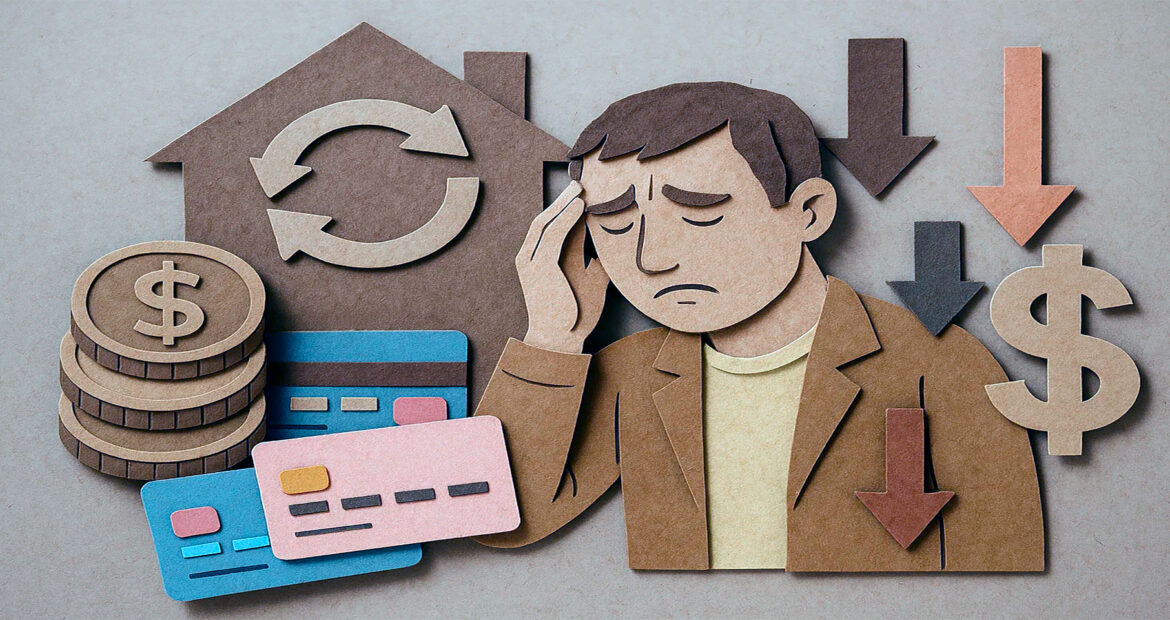
When banks and microfinance organizations aggressively promote refinancing, it often signals that the credit market has reached a point of oversaturation. Instead of attracting new, solvent borrowers, lenders recycle old debt into new contracts. The practice creates a spiral of debt, as customers juggle loans rather than reduce obligations. On the surface, refinancing looks like relief: lower monthly payments, extended terms, or consolidation into one bill. Underneath, it reflects a market where too much credit has been issued and repayment capacity is stretched thin. The trend raises concerns about financial stability and household resilience.
Why Refinancing Grows in Oversaturated Credit Markets
Credit oversaturation occurs when lending expands beyond sustainable levels. Households accumulate multiple loans, often exceeding their ability to repay comfortably. As defaults rise, banks and MFOs introduce refinancing programs to contain losses. By restructuring debt, they can show loans as performing rather than overdue, even if long-term repayment chances remain weak. The refinancing boom is not driven by new economic activity but by recycling old obligations. This makes the market appear active while masking the underlying weakness of borrowers. It becomes a cycle: lenders extend more credit to keep customers afloat, and borrowers accept because they cannot manage payments otherwise. The unemployment index, inflation, and stagnant wages only reinforce the cycle, pushing refinancing into the spotlight as a survival tool for both sides.
The Role of Marketing
Refinancing is heavily promoted with slogans about “easy solutions” and “financial freedom.” In reality, it prolongs repayment and increases interest paid over time, keeping households dependent on lenders.
The Illusion of Relief for Borrowers
For borrowers, refinancing feels like breathing space. Monthly installments shrink, deadlines move further into the future, and overdue penalties disappear. Yet the total cost of borrowing often rises significantly. Extending a loan term spreads out payments but adds years of interest. Consolidation can hide the scale of debt by merging several loans into one figure, even if the overall amount owed is larger. This illusion of relief keeps consumers engaged in the credit system, masking the real burden. Many refinance more than once, layering new debt onto old. In extreme cases, households end up paying interest for decades without ever fully closing obligations. The practice traps families in cycles that limit their ability to save, invest, or build long-term stability.
Why It Feels Sustainable
Borrowers focus on the immediate reduction in monthly costs rather than the total debt. This short-term thinking is reinforced by lenders who highlight affordability while downplaying cumulative expenses.

How Lenders Benefit from Refinancing
Refinancing is not just about helping customers—it is also a strategy for banks and MFOs to manage balance sheets. By refinancing overdue or risky accounts, lenders can reduce the appearance of non-performing loans. This helps them maintain investor confidence and regulatory compliance. Refinancing also creates opportunities to add fees, restructure interest, and extend customer relationships. Instead of losing money on defaults, lenders secure continued income streams. In oversaturated markets, this becomes essential. With few new borrowers left to tap, existing customers are the only source of revenue growth. The refinancing boom thus reflects not only borrower distress but also institutional pressure to keep portfolios profitable.
The Hidden Risk
What looks like prudent risk management may actually postpone defaults. When too many loans are refinanced, the system builds hidden fragility that surfaces only during wider economic shocks.
Refinancing as a Symptom of Debt Spiral
Refinancing is rarely a sign of financial health. When large numbers of customers rely on it, it signals systemic stress. Instead of reducing exposure, the market compounds it. Borrowers enter a cycle of “new money” that covers old debts but never eliminates them. Over time, this spiral reduces consumer spending power, weakens demand in other sectors, and heightens default risk. Entire economies can feel the drag. The pattern resembles bubbles in other industries, where growth is driven by recycling rather than real expansion. The refinancing boom in oversaturated credit markets is thus both a coping mechanism and a warning sign of deeper instability.
From Households to the Economy
Individual struggles with refinancing accumulate into macroeconomic pressure. When millions of households direct income toward endless loan servicing, growth in consumption and investment slows.
Case Reflections: Past Crises and Refinancing Trends
Historical crises illustrate the dangers of excessive refinancing. Before the 2008 financial collapse, U.S. households refinanced mortgages repeatedly, tapping equity to cover other expenses. When housing prices fell, debt loads became unmanageable, and defaults surged. Similar cycles have occurred in emerging markets, where rapid credit growth leads to widespread refinancing, only to collapse when incomes cannot keep up. Microfinance institutions in parts of Asia and Africa have also faced backlash for trapping low-income borrowers in endless refinancing cycles. Each case shows how what begins as a safety valve for borrowers and lenders can escalate into systemic risk when not managed carefully.
Why History Repeats
The drivers—cheap credit, aggressive marketing, and borrower vulnerability—tend to recur. Without regulation and financial education, refinancing cycles repeat with every major credit expansion.
The Social and Psychological Impact
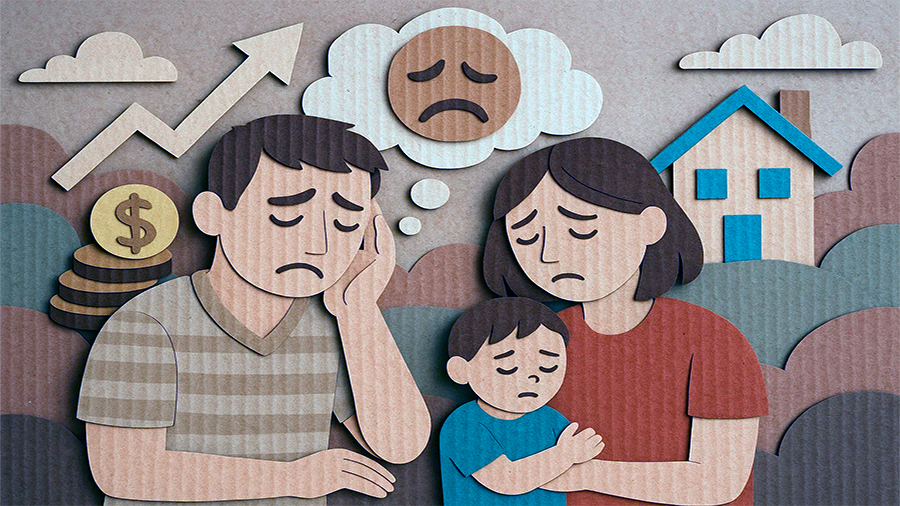
Refinancing has psychological effects beyond the numbers. Borrowers often feel relief at first but later experience anxiety when debt persists longer than expected. Families delay major decisions—buying homes, starting businesses, or saving for retirement—because refinancing keeps them tied to lenders. This erodes confidence and trust in financial institutions. Communities with high levels of refinancing often see reduced economic mobility, as more income is directed to servicing debt rather than creating opportunity. The social cost is significant: entire generations can become debt-dependent, normalizing the cycle and discouraging risk-taking or long-term planning.
The Trap of Normalization
When refinancing becomes common, households stop viewing it as a warning sign. Instead, it is seen as routine financial management, masking the deeper instability beneath.
Forward-Looking Outlook
Looking ahead, refinancing will likely remain a prominent tool in oversaturated credit markets. Digital lenders and fintech platforms may accelerate the trend by offering faster, easier refinancing options. While this may reduce immediate distress, it also risks deepening long-term debt dependency. Policymakers face the challenge of balancing borrower relief with systemic stability. Stricter lending standards, better financial literacy programs, and transparent refinancing terms could mitigate risks. Ultimately, the future of refinancing depends on whether markets continue to prioritize short-term survival or shift toward sustainable credit practices. If unchecked, the spiral of “new money” may repeat past crises, leaving households and economies vulnerable when shocks hit.
The Key Question
Will refinancing evolve into a healthier tool that genuinely aids households, or will it remain a symptom of oversaturation, hiding risks until the next downturn exposes them?
Conclusion
Refinancing customers is more than a financial tactic—it is a symptom of credit oversaturation. While it offers temporary relief to borrowers and balance-sheet benefits to lenders, it also signals deeper issues. Debt is being recycled rather than resolved, and households remain trapped in repayment cycles. The unemployment index, inflation, and stagnant wages only reinforce the spiral, making refinancing look inevitable in overstretched markets. Unless policies and practices shift toward sustainable credit use, refinancing will continue to serve as both a warning sign and a contributor to systemic instability. For now, it reflects a market struggling to balance growth with reality.